

The goal of these releases is to help restore the myofascial balance of the lower jaw. Tension and imbalance in the related myofascial chains can contribute to a variety of issues, including craniofacial pain, temporomandibular joint (TMJ) pain, tooth wear and breakdown, and sleep-breathing disorders, including apnea.
The mandible is the one cranial bone that is not rigidly attached to the rest of the skull. Instead, it relies on ligament and muscle attachments for support and stability.
Most of these muscle attachments are paired right and left muscles — including the masseters, anterior temporalis, and medial and lateral pterygoids. But the biggest and most active stabilizer muscle is not a pair at all: it is the tongue.
When the tongue rests properly against the palate, it helps stabilize the mandible. When the tongue rests low in the mouth and out of contact with the palate, the mandible becomes less stable. That instability can increase the risk of airway compromise and TMJ compression, and the body often responds by trying to stabilize the jaw in less ideal ways.
Often, this happens through a subconscious, sympathetic nervous system-driven pattern in which the TMJ muscle groups begin firing — sometimes in an uncoordinated way — to bring the teeth together and stabilize the mandible through tooth contact, rather than through proper tongue-to-palate contact.
This compensatory pattern can contribute to:
- TMJ muscle pain and dysfunction
- inflammation or breakdown within the jaw joint
- clenching and grinding
- tooth wear and structural breakdown
Some patients experience significant symptoms. Others may have instability with very little pain. Either way, properly selected myofascial releases can be helpful for a wide range of people.
When the mandible falls open, it becomes unstable. Two main muscle groups move the lower jaw: the elevators, which close the jaw, and the depressors, which open it. For the mandible to rest properly in a closed position, these muscle groups need balanced tone.
When the depressors are tense or overactive, the jaw tends to fall open. The main muscle groups involved in pulling the mandible down and back are the anterior and posterior digastrics, along with the deep front line myofascial chain, which begins superiorly at the tongue. Because of this, the tongue and digastric muscles are the primary focus of these releases.
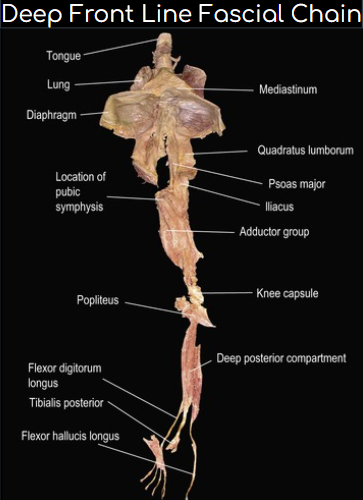
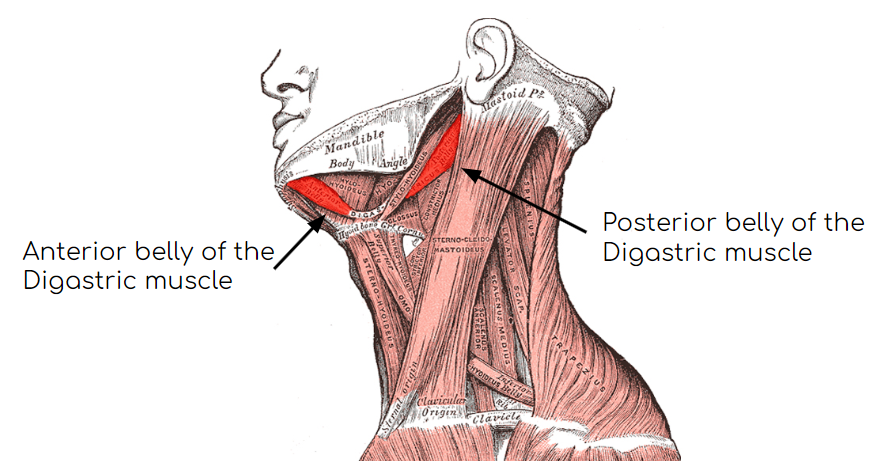
The tongue pull release targets the deep front line. The digastric manual release targets both bellies of the digastric muscles. The digastric and infrahyoid stretch targets both the digastrics and the muscles below the hyoid that can pull the tongue and mandible downward.
Who will benefit from release?
Anyone with signs of mandibular instability may benefit. This can include:
- People whose mouth falls open while sleeping
- People whose mouth falls open when concentrating, such as while reading, watching TV, working on the computer, or listening in conversation
- People with instability even if they do not have pain
- People with jaw-joint pain, facial pain, temple pain, ear-area pain, or neck pain related to muscle dysfunction
My posts are never meant to substitute for professional care. They are here to help empower patients and anyone interested in better understanding possible underlying conditions, along with some general guidance that may support improvement alongside professional treatment.
✌️
~Dr. Mindy